Science Fiction Artwork, 1901-1976
“Man’s conquest of Nature turns out, in the moment of its consummation, to be Nature’s conquest of Man.”
—C.S. Lewis, Abolition of Man
The artworks shown here are by multiple artists working between 1901 and 1976.

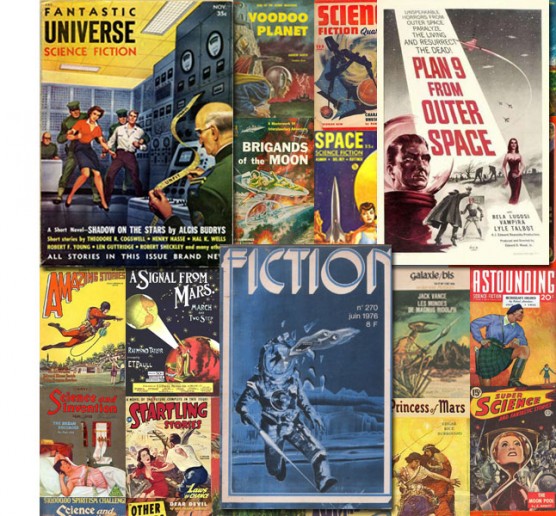
“Man’s conquest of Nature turns out, in the moment of its consummation, to be Nature’s conquest of Man.”
—C.S. Lewis, Abolition of Man
The artworks shown here are by multiple artists working between 1901 and 1976.
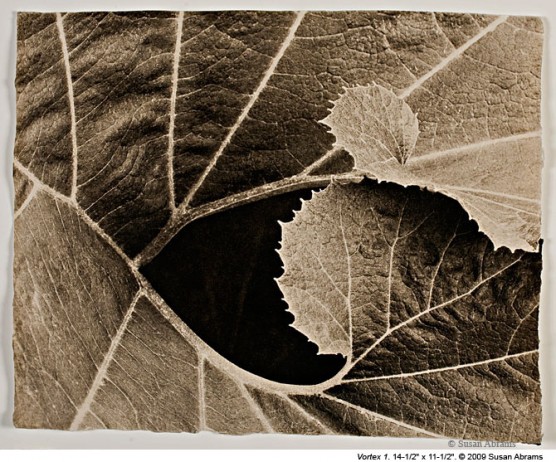
All of my work reflects my fascination with natural patterns and texture. I am interested in the natural cycles that are part of life. The subject matter is ordinary but transformed, isolated from its usual setting and viewed in the context of the universal forces of generation, growth and decay.
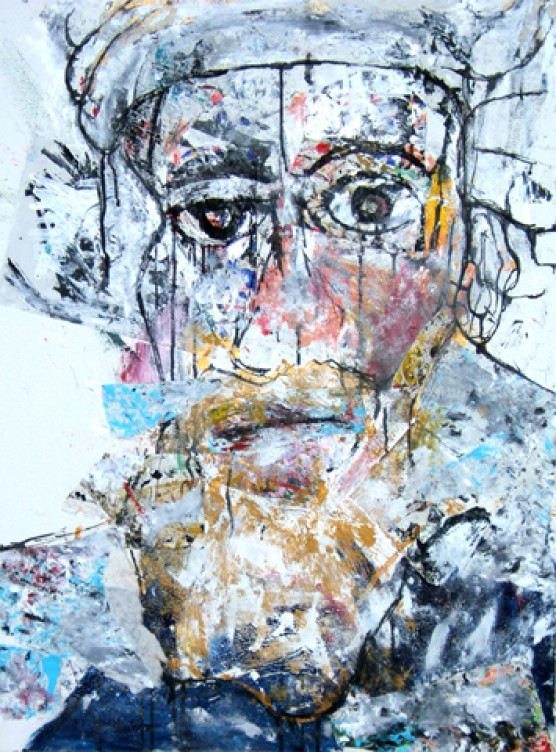
An interdisciplinary project predicated on the belief that contemporary art, at its best, can move outside of the narrow confines of the art world, approaching the general public through genuinely creative thought and a gentle activism.
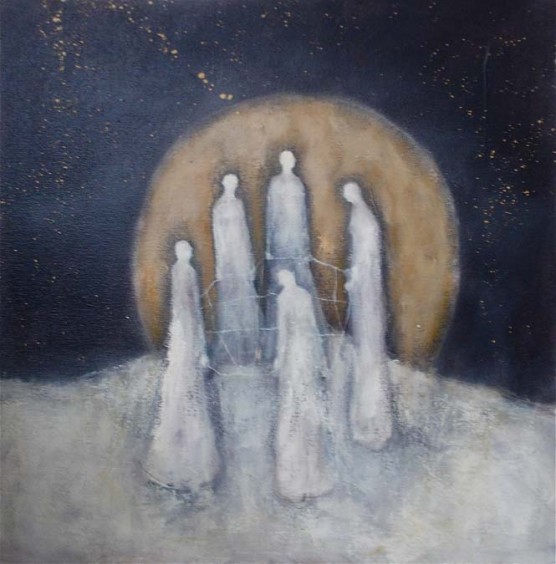
Literature, folktales and myths often inspire my exploration of the feminine archetype. My figures often bear the scars and imperfections, that, to me, characterize the struggle to become.
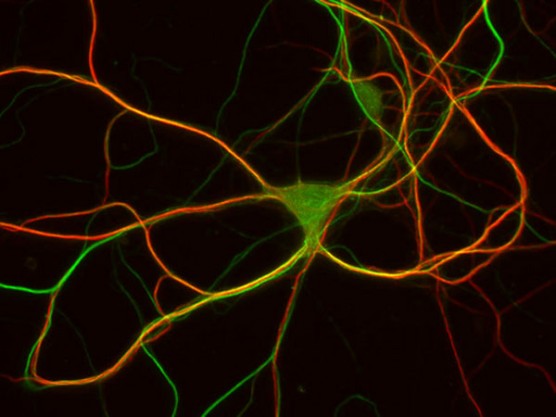
This is a pyramidal neuron from the hippocampus, a part of the brain where some kinds of memories are formed. This neuron has been labeled with fluorescent antibodies so that we can visualize microtubules (shown in green), which form a structural network inside the neuron, and insulin receptors (shown in red), which are cell surface…
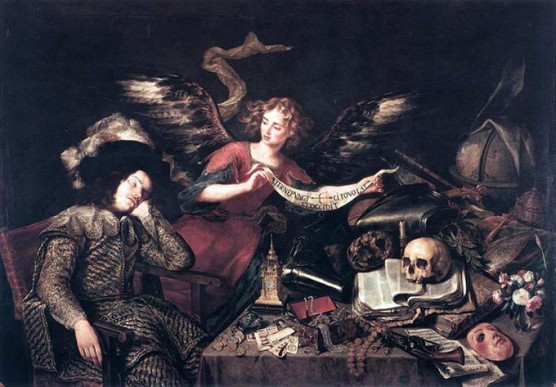
The repertoire of objects in a vanitas still-life is confined to external power symbols: crowns—including the papal tiara and mitres, as well as kingly crowns—and a knight’s armour were always part of such still-lifes, as was the globe as a symbol of worldwide expansion and a craving for conquests. These “elements of vanity” are of central importance in this painting.
These installations are meant to embrace biotechnology and advances in science.