Science Fiction Artwork, 1901-1976
“Man’s conquest of Nature turns out, in the moment of its consummation, to be Nature’s conquest of Man.”
—C.S. Lewis, Abolition of Man
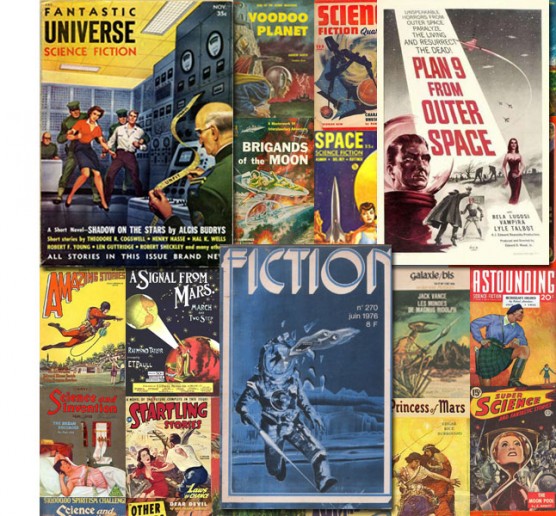
The artworks shown here are by multiple artists working between 1901 and 1976.

“Man’s conquest of Nature turns out, in the moment of its consummation, to be Nature’s conquest of Man.”
—C.S. Lewis, Abolition of Man
The artworks shown here are by multiple artists working between 1901 and 1976.
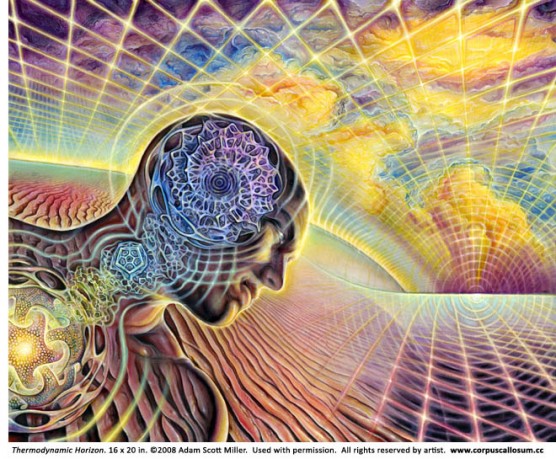
My directive as an artist is to engage and communicate the meaning that lies before our eyes, and yet we do not see. I attempt to point to the “numinous,” which is characterized by the quintessential qualities of the sacred: mystery, awe, fascination, satisfaction, and inspiration.
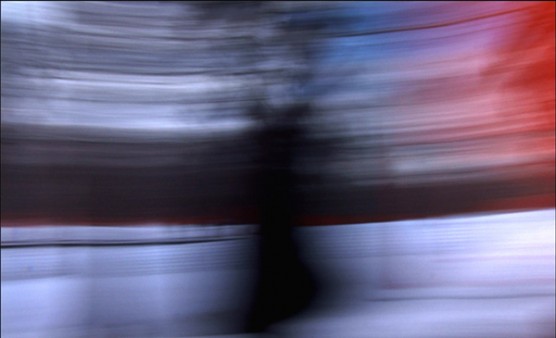
I was with my mother when she died a quarter of a century ago. As the terrible moment approached, she described something that struck me deeply. My brothers and sisters had livened her hospital room, given it bright colors, with various decorations, and my mother was gazing at them. She said the balloons were talking to her, and the…
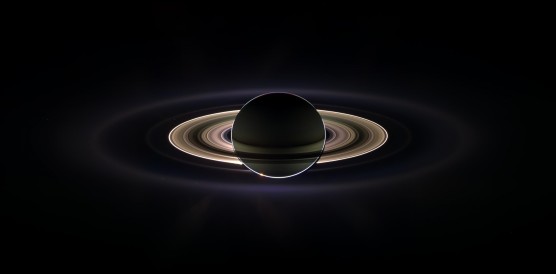
With giant Saturn hanging in the blackness and sheltering Cassini from the sun’s blinding glare, the spacecraft viewed the rings as never before, revealing previously unknown faint rings and even glimpsing its home world.
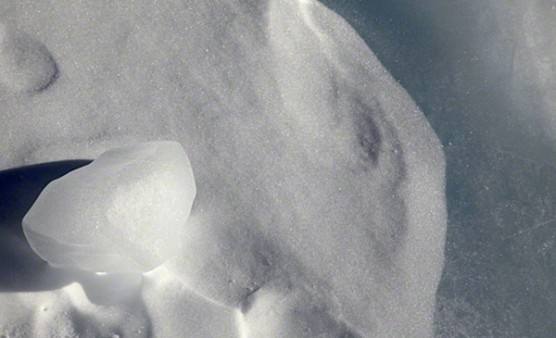
Guggenheim Fellow Erika Blumenfeld was artist-in-residence on a six-week expedition to Antarctica. This month’s Visual Explorations seeks to awaken the imagination to the intersection of art, science, and humanity.
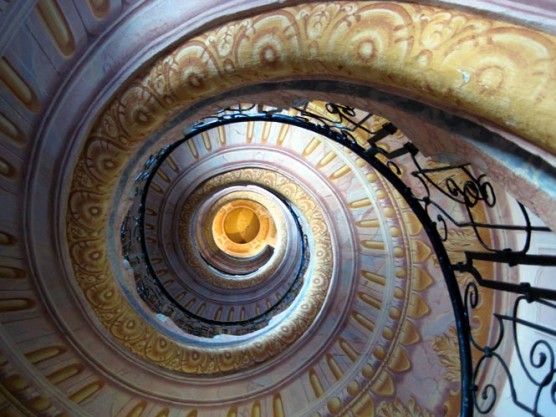
The spiral staircase has been viewed as a metaphor for both personal growth and historical development.
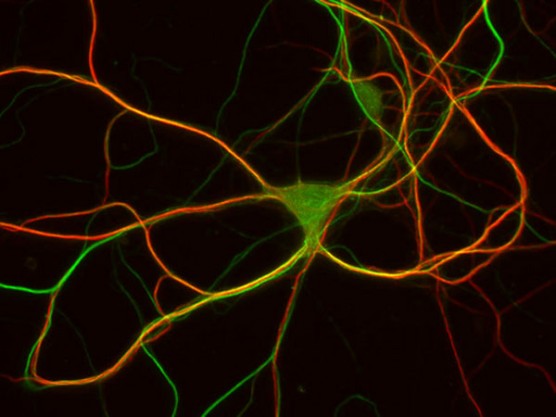
This is a pyramidal neuron from the hippocampus, a part of the brain where some kinds of memories are formed. This neuron has been labeled with fluorescent antibodies so that we can visualize microtubules (shown in green), which form a structural network inside the neuron, and insulin receptors (shown in red), which are cell surface…