Science Fiction Artwork, 1901-1976
“Man’s conquest of Nature turns out, in the moment of its consummation, to be Nature’s conquest of Man.”
—C.S. Lewis, Abolition of Man
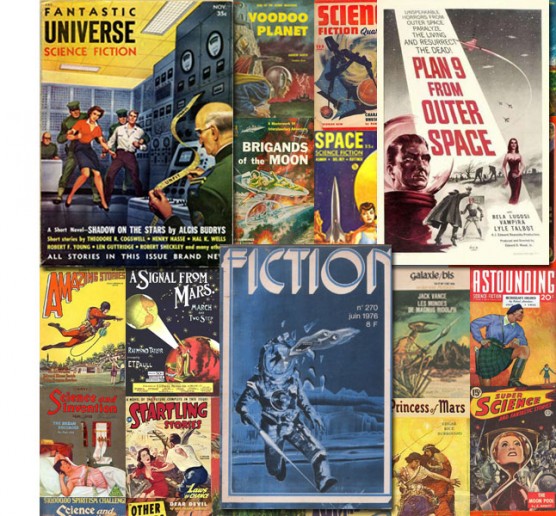
The artworks shown here are by multiple artists working between 1901 and 1976.

“Man’s conquest of Nature turns out, in the moment of its consummation, to be Nature’s conquest of Man.”
—C.S. Lewis, Abolition of Man
The artworks shown here are by multiple artists working between 1901 and 1976.
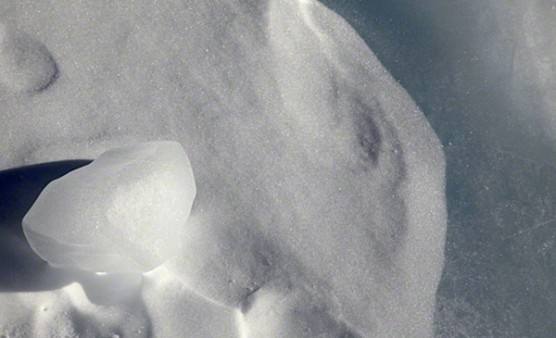
Guggenheim Fellow Erika Blumenfeld was artist-in-residence on a six-week expedition to Antarctica. This month’s Visual Explorations seeks to awaken the imagination to the intersection of art, science, and humanity.
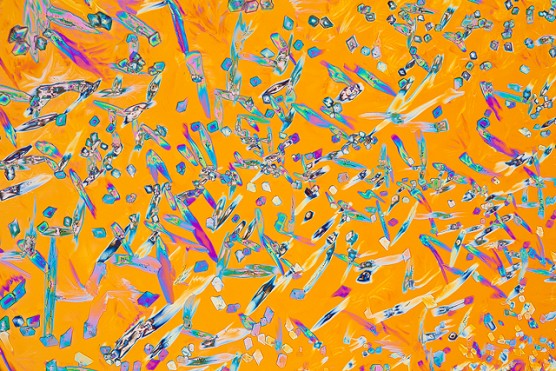
From a series of microscope images exploring the surface beauty of insects and animals (butterfly wing scales, beetles’ forewings) and micro crystals.
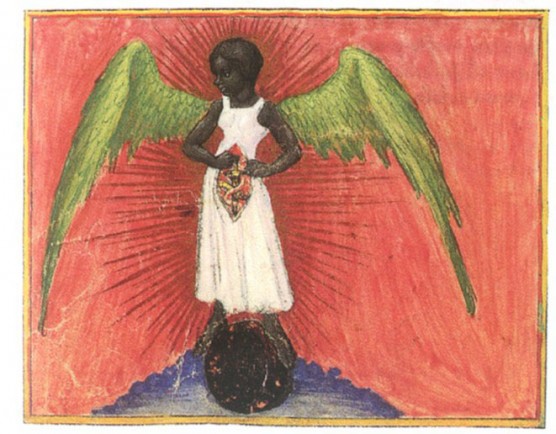
One of 38 miniatures in watercolor from the “Aurora consurgens” (“Rising dawn”), an illuminated manuscript of the 15th century.
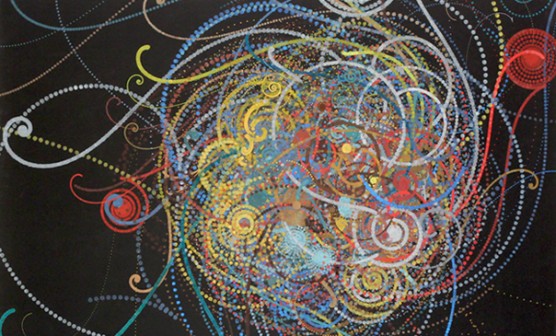
Inspired by physics, I use the lines of colliding atomic particles to explore a new language of abstraction. Fusing physics, digital technology, and painting, I create hyper-energetic, cascading compositions based on simulated atomic particle collisions. Amid an infinite void, thousands of vibrantly-hued dots explode and implode in a constant state of flux, conjuring fireworks, waterfalls,…
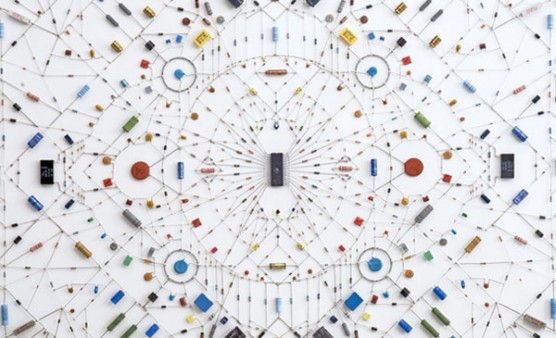
Artist’s Statement I am interested in how systems can be applied in the process of making art, how something can survive within a scheme of convention, exploring the system itself in order to understand it, and perhaps, trying to find a condition of artistic autonomy within the framework I create. Like Mondrian’s grids, the abstraction…
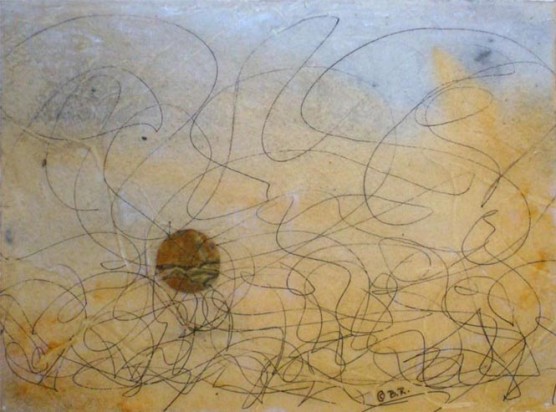
My work is spiritual and centering, told with simplicity, expressing in color and composition what cannot be spoken with words. It embodies the music, harmony, and mystery of the Universe, the underlying energy of our world, the music of being within all things, creating a peaceful, harmonious space wherein one can experience silence, stillpoint, and oneness with all.